Electricity powers almost every part of daily life in the Cayman Islands. From homes and offices to schools, hospitals, and tourism facilities, reliable electricity is essential for the community and the local economy.
In Grand Cayman, electricity generation and delivery is managed by Caribbean Utilities Company, Ltd. (CUC). Through its power plants, transmission network, and distribution infrastructure, CUC provides electrical service to thousands of residential and commercial customers across the island.
Understanding how electricity is generated, delivered, and priced can help customers better understand their electricity bills, energy consumption, and the factors that influence electricity rates in the Cayman Islands.
How electricity is generated in Grand Cayman
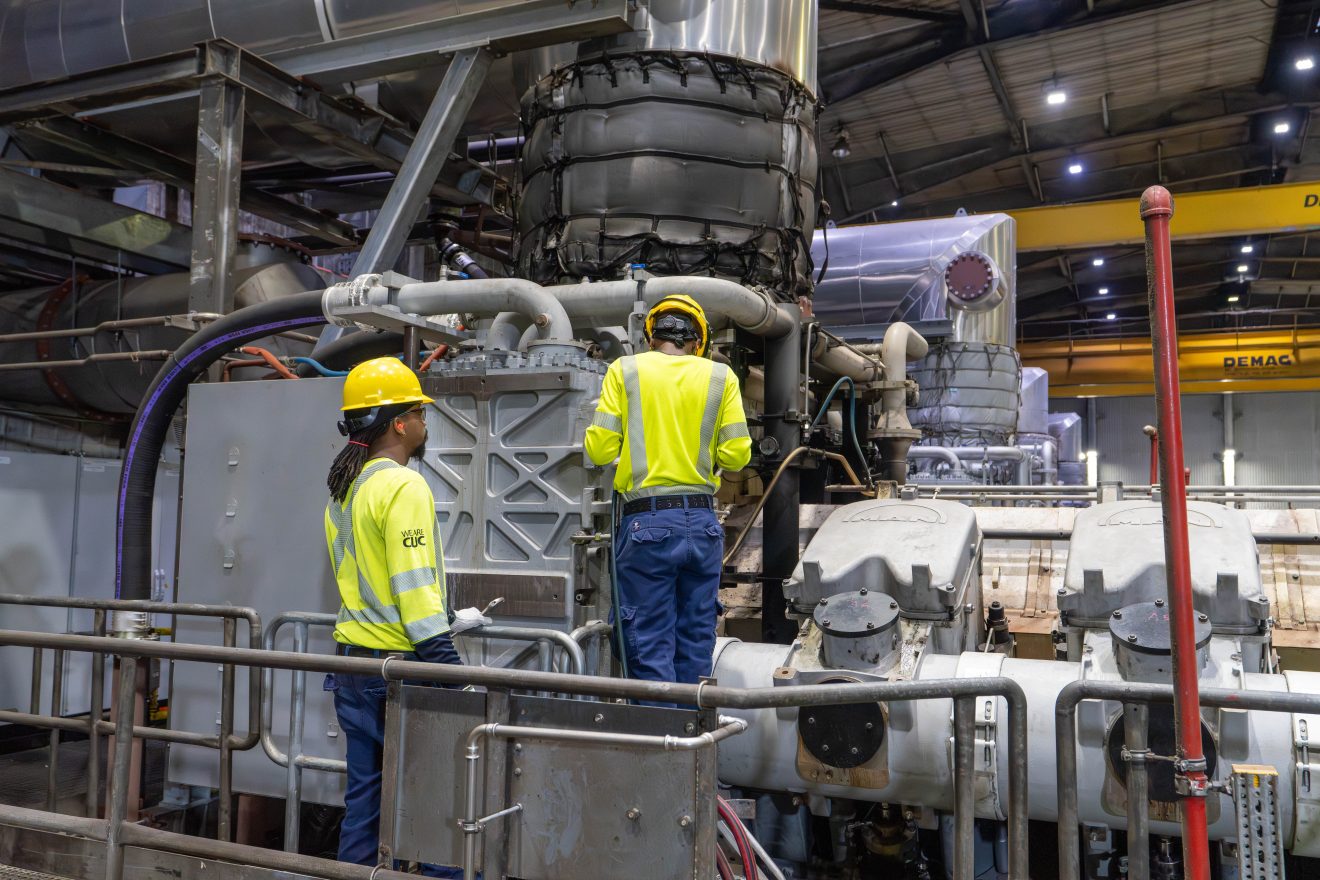
Electricity generation begins at a power plant, where fuel is used to produce power. In Grand Cayman, most electricity is generated using fossil fuels, primarily diesel. These fuels power large engines that drive generators, producing electricity that is sent into the island’s power supply network.
Because the Cayman Islands are a small island system with no connection to neighbouring power grids, electricity must be generated locally at all times. This makes reliable power generation and careful energy planning especially important.
Fuel cost plays a major role in electricity costs. Since fuel must be imported to the island, global energy markets influence the price of electricity generation. When international fuel prices rise, the cost of electricity supply can increase as well.
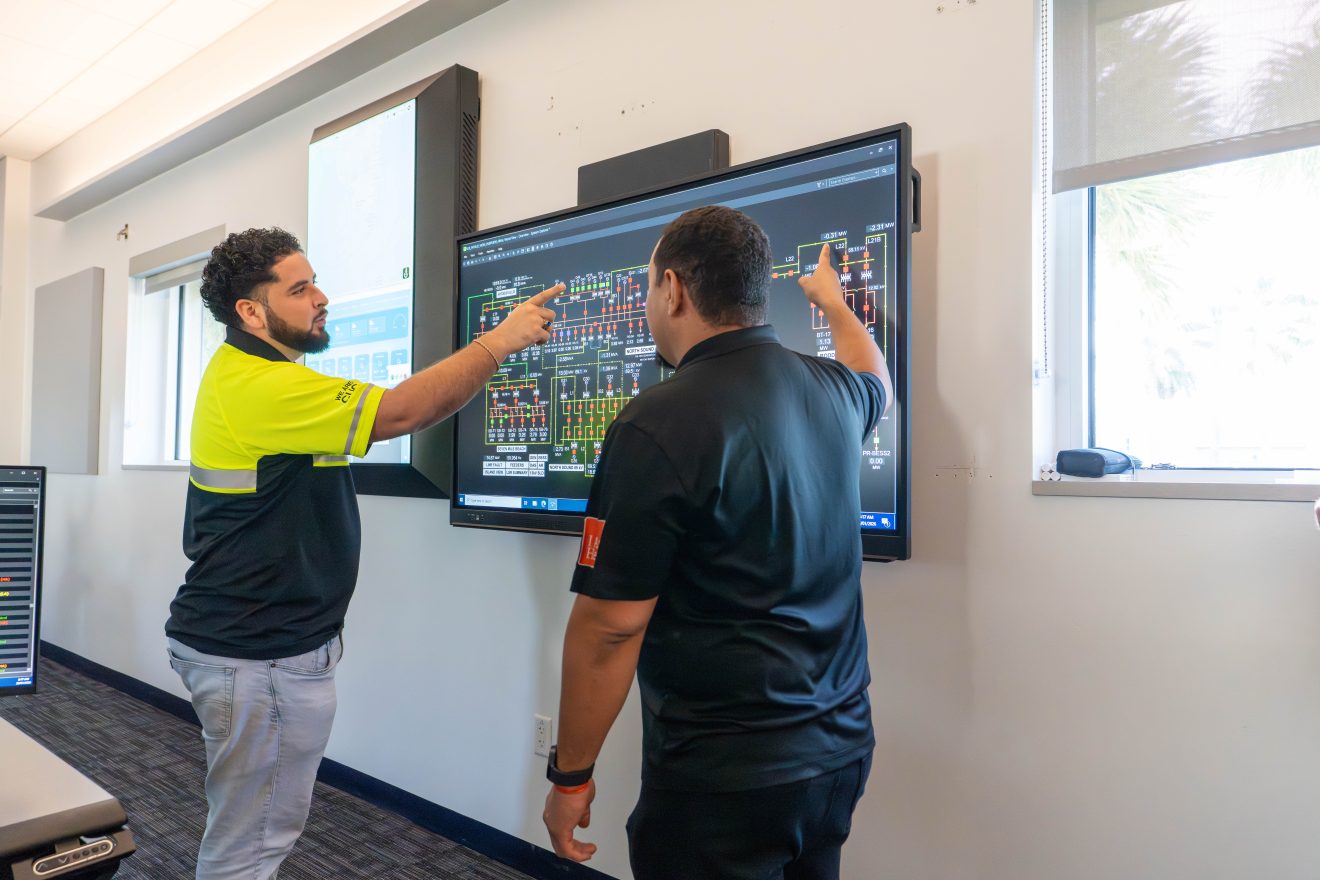
CUC continuously monitors energy demand and operates its power plants to meet the island’s electricity needs while maintaining reserve capacity. This helps ensure there is enough power available during periods of high energy use.
How electricity reaches homes and businesses
Once electricity is produced, it travels through a network of transmission and distribution infrastructure that delivers power across Grand Cayman.
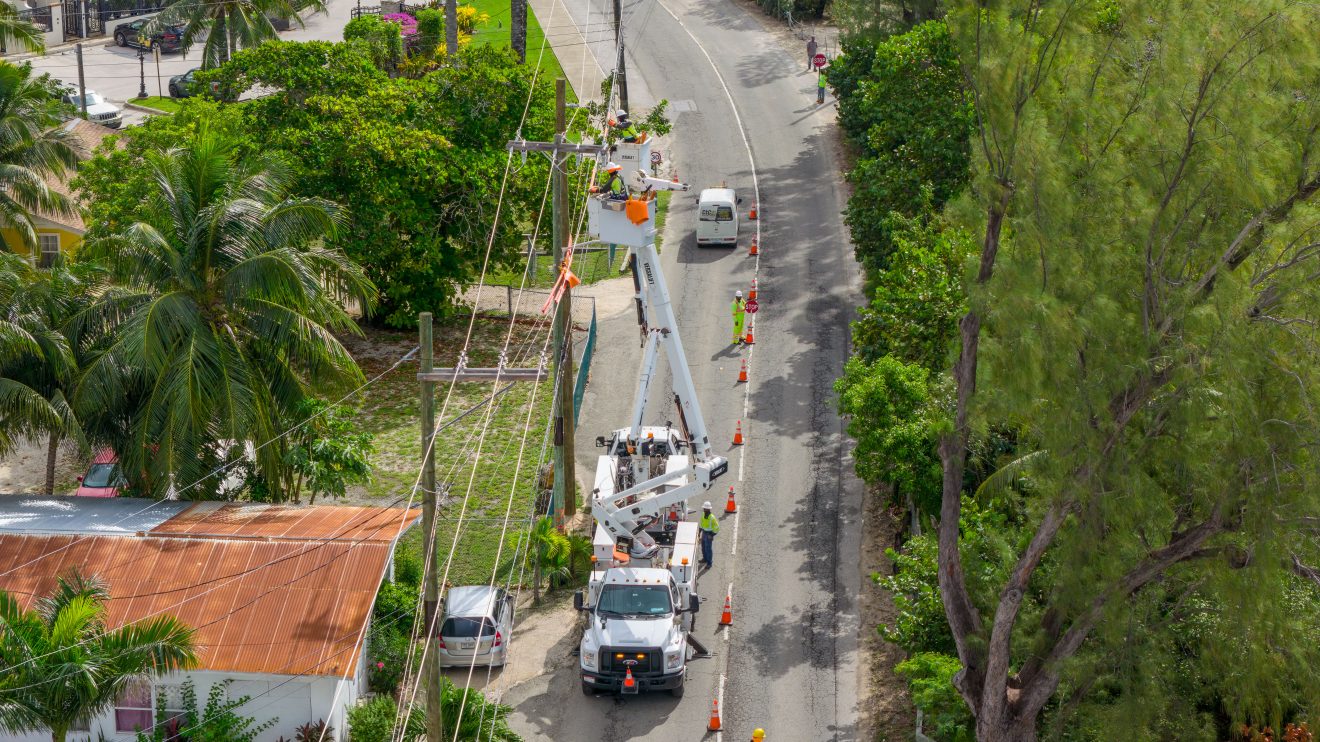
Electricity first moves through high-voltage transmission lines that carry power from the power plant to substations located around the island. At these substations, the voltage is adjusted so electricity can safely move through the local distribution system.
Distribution lines then carry electricity to homes, businesses, and public facilities in communities including George Town and surrounding districts. This final step allows electricity to become the electrical service used for lighting, appliances, equipment, and technology.
CUC manages this entire network, from electricity generation to distribution. Maintaining this system requires ongoing investment, monitoring, and maintenance to ensure a stable and reliable electricity supply.
Understanding electricity use and electricity bills
Electricity consumption is measured in kilowatt-hours, commonly written as kWh. One kilowatt-hour represents the amount of electricity used by a 1,000-watt appliance running for one hour.
Electricity bills reflect the amount of energy used during a billing period along with other elements that contribute to energy costs. These typically include electricity generation costs, fuel cost adjustments, and charges related to maintaining the infrastructure required to deliver electrical service.
Energy consumption varies between households and businesses depending on several factors. In the Cayman Islands, air conditioning is often the largest contributor to electricity use because cooling systems run frequently in the tropical climate.
Lighting, refrigeration, water heating, electronics, and commercial equipment can also affect electricity consumption. Understanding how energy use is measured helps customers better manage their electricity bills and overall energy costs.
What affects electricity reliability
A reliable power supply depends on several important factors. Electricity generation capacity, well maintained infrastructure, and effective system monitoring all help ensure electricity is available when customers need it.
CUC operates power generation facilities designed to meet the island’s energy demand while maintaining reserve capacity. This reserve allows the system to respond quickly if electricity demand increases or if equipment temporarily goes offline.
Infrastructure is another key factor in maintaining reliability. Transmission lines, distribution networks, substations, and other equipment require continuous maintenance and upgrades to ensure electricity can be delivered safely and efficiently.
Weather can also affect electricity supply. Tropical storms and hurricanes may damage infrastructure and cause outages. To improve resilience, CUC continues to invest in strengthening the island’s energy infrastructure and improving the reliability of the electricity network.
CUC is a regulated company and operates under the regulation of the Utility Regulation and Competition Office (URCO). URCO oversees aspects of the electricity sector, including electricity rates and regulatory processes that help maintain transparency and accountability within the industry.
The growing role of renewable energy
Renewable energy is becoming an increasingly important part of the electricity system in the Cayman Islands. Technologies such as solar panels allow homes and businesses to generate solar power using sunlight.
Solar power can come from rooftop solar panels installed at customers homes or from larger utility-scale renewable energy projects that feed electricity into the grid. These renewable energy sources help diversify the island’s energy mix while reducing greenhouse gas emissions and supporting sustainability goals.
Integrating renewable energy into a small island grid requires careful management. Solar power generation changes throughout the day depending on sunlight and weather conditions, so it must be balanced with other power generation sources to maintain a stable electricity supply.
CUC supports initiatives that allow renewable energy sources to connect to the grid while maintaining reliability for customers across Grand Cayman.
Energy innovation and the future of electricity
The electricity sector continues to evolve as new technologies and energy solutions emerge. Energy storage systems, improved grid monitoring tools, and expanded renewable energy initiatives are helping shape the future of electricity generation.
Reducing emissions and addressing climate change are important priorities for many countries across the Caribbean. Expanding renewable energy sources, improving energy efficiency, and modernising electricity infrastructure can help reduce greenhouse gas emissions while maintaining a reliable power supply.
In addition to renewable energy development, some Caribbean energy systems are exploring transition fuels such as natural gas as part of longer-term strategies to reduce emissions while maintaining dependable power generation.
Why understanding electricity matters
Electricity is a critical service that supports modern life in the Cayman Islands. Reliable electricity enables homes, businesses, and public services to operate every day.
Caribbean Utilities Company, Ltd. manages a complex energy system that produces electricity, maintains the island’s power supply network, and delivers electrical service across Grand Cayman. Through careful planning, infrastructure investment, and responsible system management, the company works to maintain a dependable electricity supply for the community.
For customers, understanding how electricity is generated, delivered, and priced provides greater transparency about the energy system and the factors that influence electricity rates and energy costs.
As the Cayman Islands continue to explore new energy technologies and renewable energy initiatives, the electricity system will continue to evolve while maintaining its core goal of delivering reliable, safe, and efficient power to the island.
