Electricity is something most of us only notice when it is not there. Yet behind every flick of a switch is careful planning, constant monitoring, and long-term thinking. For Caribbean Utilities Company, Ltd. (CUC), delivering reliable electricity supply to Grand Cayman is not just about keeping the lights on today. It is about ensuring the Cayman Islands continue to have secure, resilient, and sustainable power for decades to come.
As the island grows, evolves, and moves through its energy transition, forecasting electricity demand has become one of CUC’s most important responsibilities. It allows the company to plan generation capacity, strengthen energy infrastructure, and prepare for future growth in a way that protects grid reliability and supports affordability.

Understanding electricity demand in the Cayman Islands
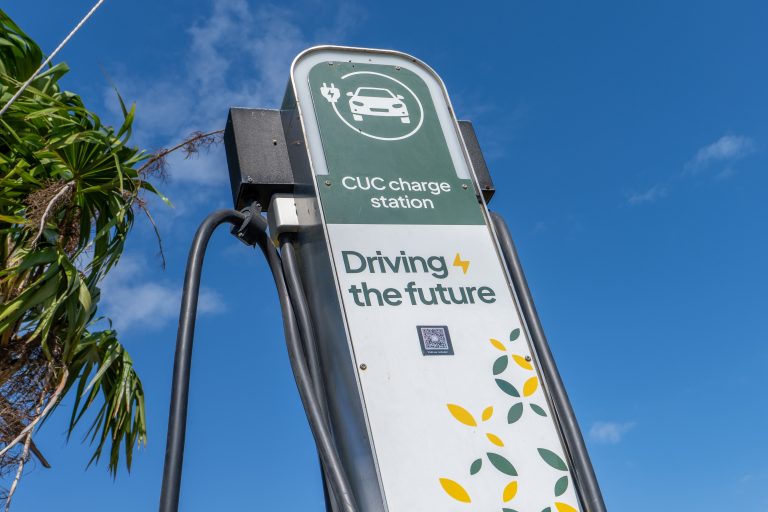
Electricity demand in Grand Cayman is shaped by many factors. Population growth, new residential and commercial developments, tourism activity, and increasing adoption of electric vehicles all contribute to rising energy demand over time. Seasonal patterns also have a significant influence, particularly during the hot summer months when air conditioning use can drive peak demand. If you think of the electricity grid as a busy highway, peak demand is the electricity version of rush hour. This is the moment when most people are using electricity at the same time.
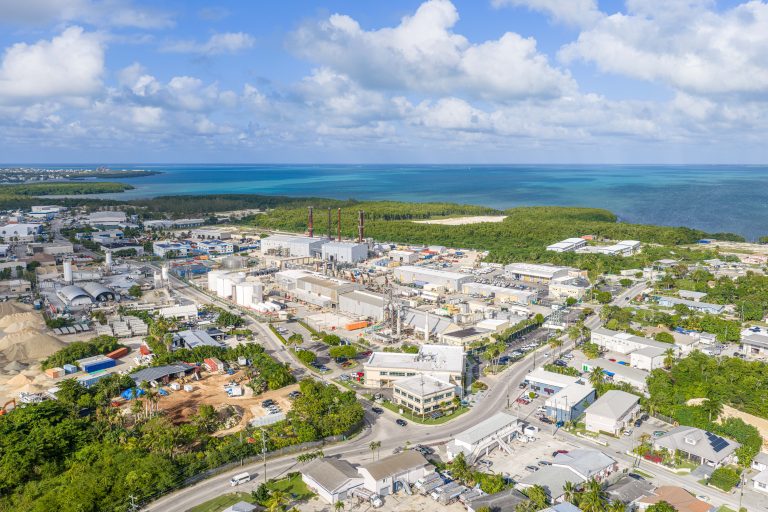
As a small island with no interconnection to neighbouring grids, the Cayman Islands must plan energy systems with particular care. Every megawatt of generation capacity must be available locally, which makes accurate forecasting even more critical.
CUC monitors these trends closely, recognising that today’s consumption patterns help predict tomorrow’s needs. The objective is not simply to respond to changes in electricity demand, but to anticipate them well in advance so that the island’s energy systems remain strong, resilient, and capable of supporting continued economic and social development.
Real-time monitoring through SCADA
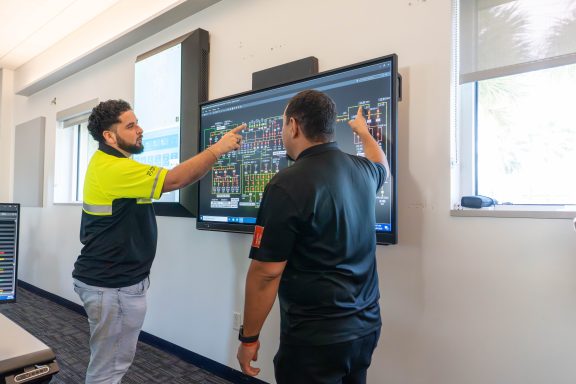
CUC uses a Supervisory Control and Data Acquisition system, known as SCADA, to monitor electricity usage across the grid in real time. This system gathers data from multiple points across Grand Cayman, including aggregated customer demand and individual meter information.
This allows CUC to see how much electricity is being used at any moment, while also identifying trends in consumption and pinpointing where demand is increasing. Automated thresholds and alerts highlight significant changes, helping operators respond quickly when needed.
This continuous flow of real-time data feeds directly into both short-term operational decisions and long-term forecasting, ensuring that planning is always based on accurate and up-to-date information.
How CUC forecasts future demand
Demand forecasting at CUC is built on a structured, data driven methodology that combines internal system information with a wide range of external inputs. More than 20 years of historical operational data provide the foundation for modelling long term trends and establishing a reliable baseline for expected growth.
These historical records are evaluated alongside weather patterns, economic indicators, immigration trends, and planning submissions for new residential, commercial, and tourism developments across Grand Cayman. This comprehensive approach ensures that CUC’s forecasting reflects both technical system behavior and the real world factors that influence energy demand.
CUC typically plans using a rolling five year outlook. This outlook is updated through a major annual review, supported by quarterly assessments that allow the company to adjust projections as conditions change. This process ensures that forecasts remain current, flexible, and aligned with actual growth patterns, as well as broader shifts in the energy sector that may influence fuel costs, technology adoption, and customer behaviour.
Forecasting is carried out in close collaboration with the regulator, the Utility Regulation and Competition Office (URCO), and the Cayman Islands Government’s Building Control Unit (BCU). CUC continuously monitors planning approvals, building permits, and major development applications submitted through BCU to ensure that upcoming construction activity is accurately reflected in future load projections. This coordination helps CUC anticipate new demand, plan infrastructure investments responsibly, and maintain system reliability.
Once the forecast is completed, it is submitted to the regulator for review and approval. This step ensures transparency, regulatory oversight, and alignment before long term planning and investment decisions proceed.
Planning generation capacity in a structured way
Once future electricity demand is forecast, CUC uses this information to guide long term planning for both generation capacity and the supporting infrastructure required to meet customer needs. A central part of this process is compliance with utility regulatory requirements, including the certificate of need framework that governs when and how new generation can be added to the grid.
If the forecast shows that additional capacity will be required, CUC must formally notify the regulator at least three years in advance. This early notification ensures there is sufficient time for a competitive procurement process, allowing independent power producers to submit proposals for new generation projects. These projects may include renewable energy installations, battery storage, or other forms of generation that support system reliability and sustainability.
In parallel with generation planning, CUC conducts detailed long term planning for its transmission and distribution (T&D) networks. This includes identifying when new substations, upgraded transmission lines, additional feeders, or improved interconnections will be required to reliably serve growing communities across Grand Cayman. CUC also plans ahead for the equipment and materials needed to build and maintain the T&D system, ensuring adequate supplies of transformers, poles, conductors, and other essential components.
This planning work is carried out in close coordination with the Cayman Islands Government’s Building Control Unit (BCU). CUC continuously monitors planning approvals, building permits, and major development applications submitted through BCU to ensure that upcoming construction activity is accurately reflected in future load projections. This collaboration helps CUC anticipate where growth will occur, align infrastructure investments with actual development patterns, and maintain system reliability as the island expands. There are instances where projects can be delayed and this is why the collaboration with BCU is important as it allows CUC to adequately plan for future growth accurately.
By combining robust forecasting, regulatory compliance, and proactive coordination with BCU, CUC ensures that its long term planning remains accurate, timely, and responsive to the island’s evolving electricity needs.
Maintaining reliability every day
While long-term planning is essential, reliability is also managed through disciplined daily operations. CUC always operates with reserve generation capacity, known as spinning reserve, so that generators can respond instantly to small increases in electricity demand throughout the day.
The control room also prepares a daily demand forecast, with weather as a key input. This helps determine which generators should be dispatched, ensuring that electricity supply remains stable while keeping fuel efficiency high.
Maintenance is carefully scheduled to protect available capacity. Routine work is usually carried out in the early mornings outside peak times, while more extensive maintenance is planned outside the summer months when energy demand is highest. This ensures that sufficient reserves are always available, even if a generator unexpectedly goes offline.
Investing in a stronger, more resilient grid
CUC invests as much as $100 million dollars each year in energy infrastructure to maintain one of the most reliable energy systems in the Caribbean. These initiatives have significantly reduced outage times in recent years, improving grid reliability for customers across Grand Cayman.
Key upgrades have included vegetation management, undergrounding of electricity lines, improved pole standards, predictive maintenance, and modern indoor gas insulated switchgear (GIS) substations. As climate change brings stronger storms, CUC continues to strengthen its generation, transmission, and distribution systems to improve resilience.
This long-term investment ensures that the electricity system can withstand extreme weather while continuing to deliver dependable electricity supply to residents and businesses.
Shifting to clean energy
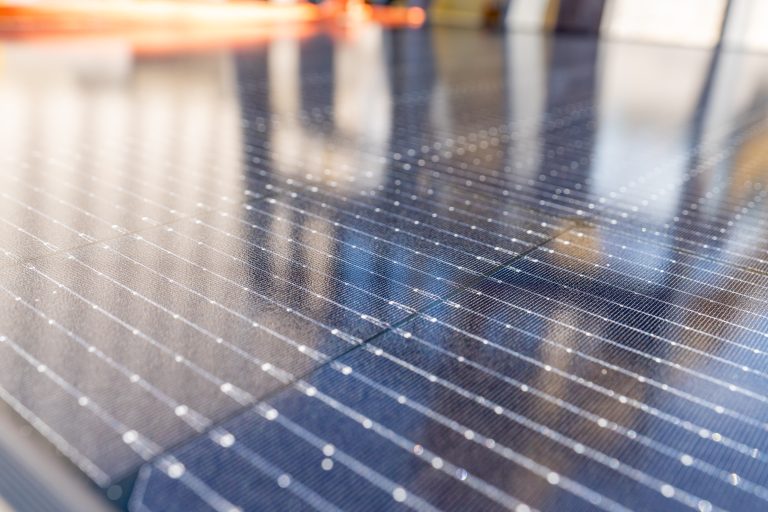
Forecasting and capacity planning are increasingly shaped by Cayman Islands’ transition toward renewable energy. Solar energy, including photovoltaic systems, rooftop solar panels, and utility-scale solar projects, is proposed to become a larger part of the island’s energy mix.
CUC currently operates battery storage systems that help integrate renewable energy sources while maintaining system stability. These systems support more flexible, dispatchable power generation and help reduce reliance on fossil fuels.
By carefully planning how and where solar panels connect to the grid, CUC ensures that clean energy can grow without compromising reliability. This work supports national goals to reduce carbon emissions from electricity generation while maintaining a stable and resilient power system.
Connecting solar power to the grid requires careful planning and coordination to ensure that the electricity network continues to operate safely and efficiently as renewable energy expands. This topic will be explored in more detail in a future blog on how solar power and other renewable technologies are integrated into the electricity system.
Energy efficiency
Meeting future electricity demand is not only about expanding generation capacity. It also depends on improving energy efficiency across homes and businesses.
CUC strongly supports initiatives that encourage smarter energy use, including home retrofitting programmes and improved building standards. These efforts help lower electricity demand, reduce emissions, and improve sustainability across Cayman Islands.
Public education is an important part of this approach. By helping customers understand how and when they use electricity, CUC supports more efficient consumption patterns that benefit both households and the wider energy systems of Grand Cayman.
Transparency, accountability, and stakeholder confidence
CUC recognises that customers, developers, and stakeholders want clarity about how electricity planning works. The company maintains open communication about its forecasting processes, infrastructure investments, and future capacity needs.
Through structured planning, clear reporting, and collaboration with government and the private sector, CUC demonstrates that it is a responsible, forward-thinking utility committed to long-term stability and sustainability.
This transparency reinforces confidence that electricity supply in Grand Cayman is not left to chance, but carefully planned with expertise and accountability.
Planning for Grand Cayman’s future
Electricity demand in Grand Cayman will continue to evolve as the island develops and modernises. New developments, increased use of electric vehicles, and greater adoption of renewable energy sources will all shape the island’s future energy systems.
CUC’s rigorous forecasting, proactive planning, and ongoing investment ensure that generation capacity keeps pace with this change. Whether supporting homes, businesses, or future infrastructure in Grand Cayman, the focus remains consistent: reliable, resilient, and equitable electricity for all.
By combining data, technology, experience, and collaboration, CUC is well prepared to meet both current and future energy needs. Customers can trust that behind every switch is a company that plans ahead, builds responsibly, and keeps Cayman powered with confidence.