Summer in the Cayman Islands traditionally meant hot days and the occasional blast of air conditioning. Now it means relentless heat, higher humidity, and AC units working overtime just to keep homes liveable.
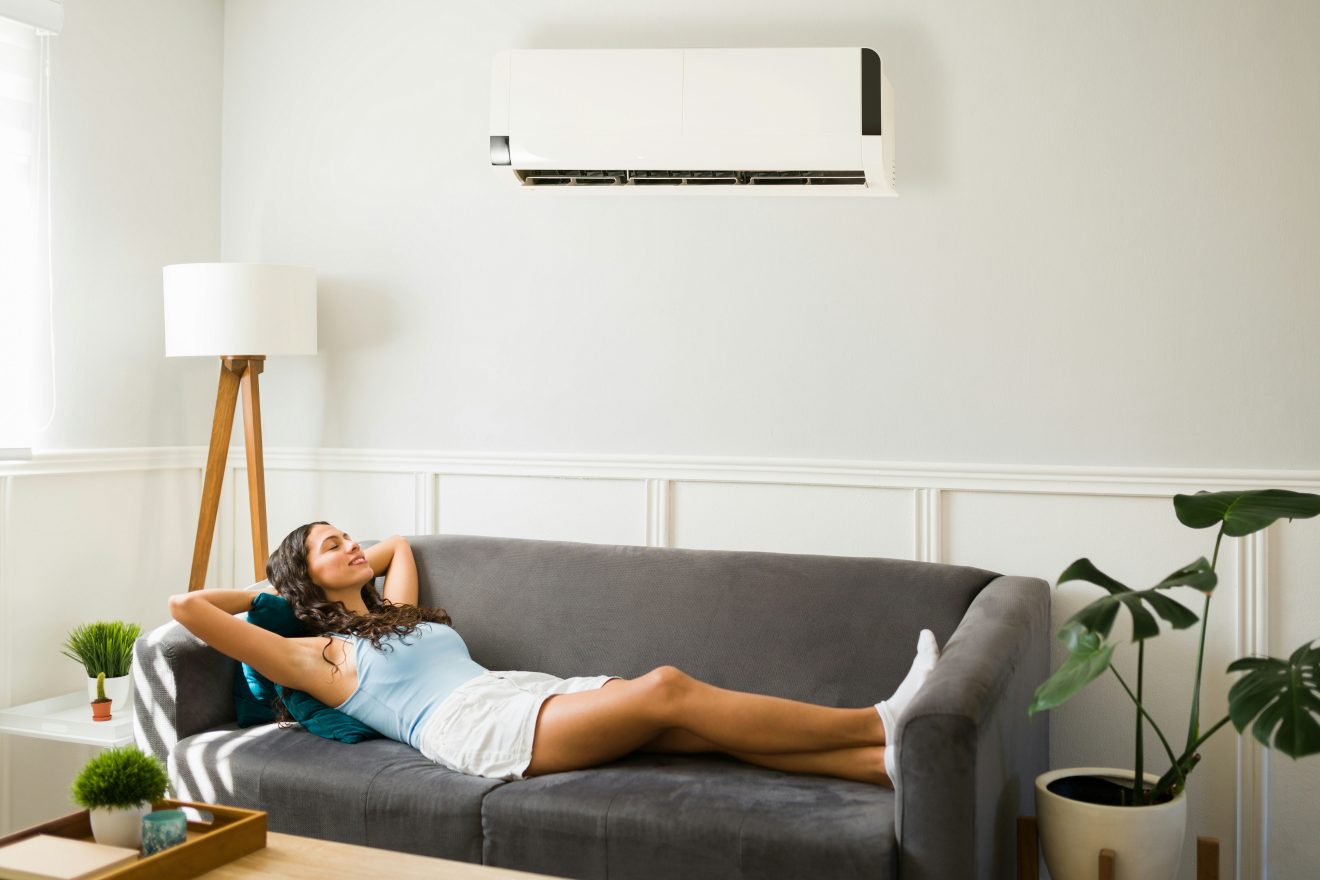
The result? Energy bills can climb and become overwhelming.
If your electricity usage spikes every summer, you’re not imagining it. Cayman’s summers are getting hotter, and cooling your home takes more energy than almost anything else you do. We know that’s putting real pressure on households but the good news is that small changes to how you cool, what you run, and when you run it can make a genuine difference to both comfort and cost.
Why summer hits your energy bill hardest
Air conditioning is the single biggest energy user in most Cayman homes. When outdoor temperatures push into the high 90s, your AC has to work harder and run longer to maintain a comfortable indoor temperature.
If you add in poor or older insulation, old AC equipment, and habits like leaving doors open, then your system is fighting a losing battle. It’s not just running more. It’s running inefficiently.
Other factors also play a part – children are at home during summer holidays. Appliances like fridges and freezers work harder in the heat. It all adds up.
Understanding where your energy goes is the first step to controlling it.

Set your thermostat strategically
Your thermostat setting has a bigger impact on energy use than almost any other factor.
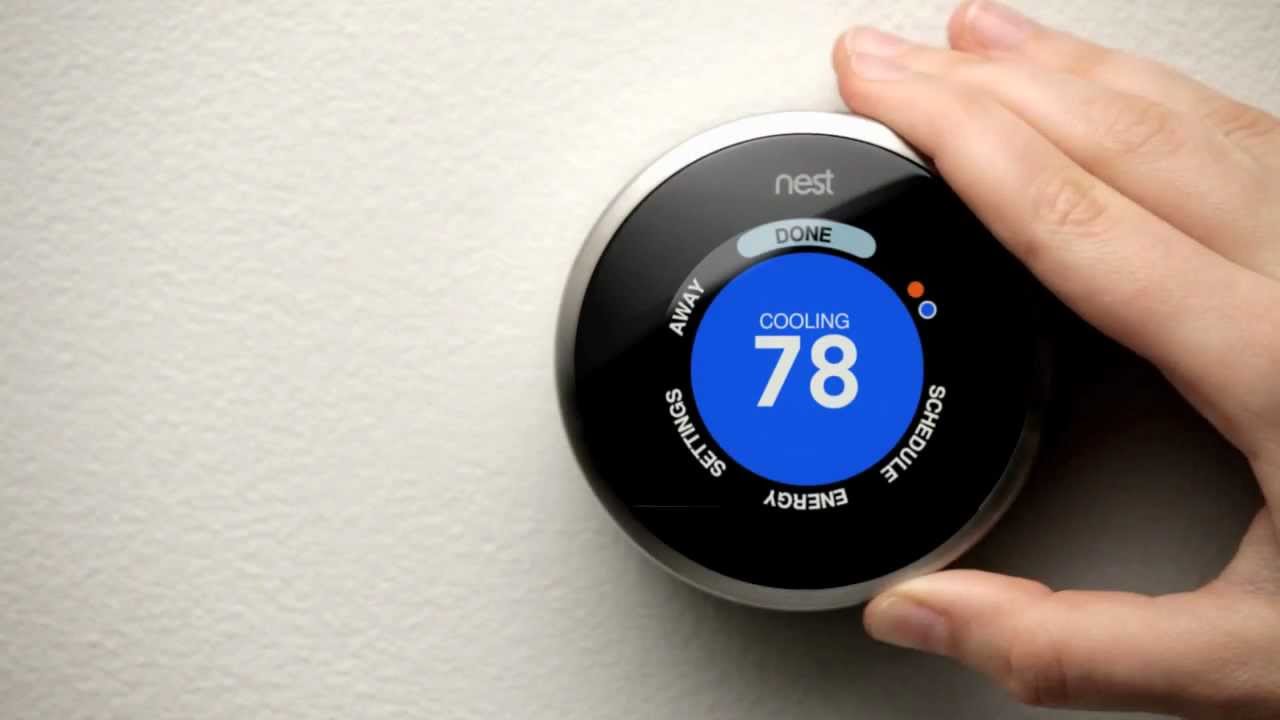
Every degree you lower the temperature increases energy consumption. Your AC has to compete with the outside temperature. Try setting your thermostat at 78 degrees when you are at home and 87 degrees when you aren’t at home.
If you’re out during the day, raise the temperature by a few degrees or consider turning it off. Your home will warm up slightly, but your AC won’t be working as hard to cool an empty house if you set it at a higher temperature. When you return, it takes far less energy to bring the temperature back down than to maintain it all day.
Programmable or smart thermostats make this easier. Set them to adjust automatically based on your schedule, and you won’t have to remember.
Maintain your air conditioning system
A dirty or poorly maintained AC unit uses more energy and cools less effectively.
Start with the filters. Check them monthly during summer and clean or replace them as needed. Clogged filters restrict airflow, forcing your system to work harder and use more electricity.
Have your system serviced annually by a qualified technician. They’ll check refrigerant levels, clean coils, and spot problems before they become expensive failures. A well-maintained unit runs more efficiently and lasts longer.

Reduce heat gain in your home
The less heat that enters your home, the less your AC has to work.
Close blinds, curtains, or shutters during the hottest parts of the day, especially on windows that face west or south. Direct sunlight heats rooms quickly, and blocking it makes a noticeable difference.
Check for gaps around doors and windows. Even small leaks let cool air escape and hot air in. Weatherstripping and caulking are inexpensive fixes that improve efficiency.
Insulation matters too. Poorly insulated roofs and walls allow heat to transfer into your home. If your attic feels like an oven, that heat is radiating down into your living space. Improving insulation keeps your home cooler and reduces the load on your AC.
Be smart about appliances and lighting
Appliances generate heat, and that heat makes your AC work harder.
Avoid using your oven, stove, or dryer during the hottest part of the day. Cook in the early morning or evening. Run your dryer at night when temperatures drop.
Switch to LED bulbs as they use far less energy than incandescent bulbs. In a small room, the difference is noticeable.
Unplug devices you’re not using. Chargers, electronics, and appliances on standby still draw power. It’s a small amount per device, but it adds up across a household.
Use fans to support your AC
Ceiling fans and portable fans don’t cool the air, but they make you feel cooler by moving air across your skin.
Running a fan uses a fraction of the energy an AC unit does. If you combine fan use with a slightly higher thermostat setting, you can stay comfortable while using less electricity overall.
Turn fans off when you leave the room. Fans cool people, not spaces.
Monitor your energy usage
Keeping an eye on your usage gives you a clearer picture of where your electricity is going and where you have the most room to save.
Check your electricity bill regularly and compare usage month to month. If you see a sudden spike, it could be a faulty appliance, a failing AC unit, or a habit that’s worth addressing. Understanding the line items on your bill is important too and you can learn more about that here.
Take advantage of MyCUC. This tool can allow you to set daily kilowatt hour (kWh) usage and you will receive daily alerts. Keep track of your consumption through our mid-month consumption report and use that to compare to what you are seeing in MyCUC.
Small changes, real impact
Pick one or two things from this list and try them this week. Set your thermostat a degree or two higher. Clean your AC filters. Close your blinds during the day. Each action is small, but together they add up while still keeping your home comfortable.
With a few smart energy habits, you can manage the heat without letting it manage your budget.